
Abstract:
Background: The structural complexity of antibody-drug conjugates (ADCs) poses unique pharmacokinetic and pharmacodynamic (PK/PD) challenges. A key hurdle lies in modeling the divergent elimination pathways of antibody and payload moieties, which substantially determine the efficacy and safety profiles of ADCs. Artificial intelligence (AI) and machine learning (ML) have emerged as transformative tools to integrate multidimensional complex data, thereby expediting ADC research and development.
Methods: A comprehensive analytical toolkit encompassing WinNonlin, RsNLME, R, and Python was utilized for modeling, AI training, machine learning analysis, and predictive simulation. This workflow enabled the PK characterization of multiple ADC analytes (total antibodies, conjugated antibodies, and free payloads) in systemic circulation and target tissues based on data from non-human primates (NHPs) and mice. AI/ML algorithms were integrated to complement conventional modeling approaches, with versatile applications including antibody engineering optimization, complex ADC PK profile simulation, quantitative characterization of endocytosis and payload release kinetics, in silico linker modification, as well as pharmacodynamic outcome prediction and risk assessment.
Results: For NHP plasma ADC samples, a nonlinear two-compartment absorption model outperformed its linear counterpart, while the three-compartment model offered no obvious improvement in fitting performance. Repeated-dose simulation revealed evident drug accumulation at a high dose (30 mg/kg) compared with a low dose (3 mg/kg). In addition, PK/PD modeling of cell-derived xenograft (CDX) and patient-derived xenograft (PDX) mouse models elucidated the mechanism underlying divergent antitumor efficacy, wherein the 18 mg/kg dosage suppressed tumor growth whereas the 6 mg/kg dosage failed to achieve therapeutic inhibition. Case analyses further demonstrated the unprecedented potential of AI/ML to optimize and streamline the entire ADC development pipeline.
Conclusions: The integration of AI/ML-driven advanced modeling with empirical PK/PD strategies is revolutionizing ADC development. This synergistic methodological framework facilitates the rational design of optimized ADC candidates and accelerates the advancement of precision cancer therapeutics.
Biography:
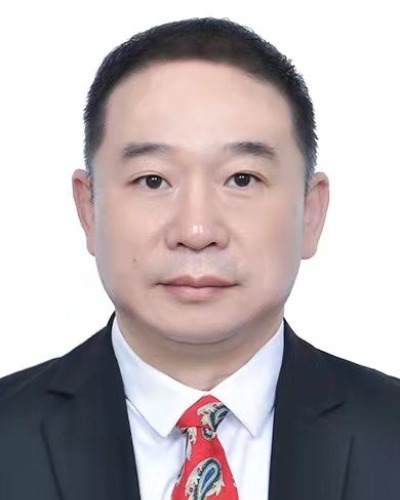
Dr. David Xu, MD, PhD, brings 30 years of drug development expertise focused on ADC development and clinical development. He leads end‑to‑end ADC programs via AI/ML, PK/PD modeling, and quantitative pharmacology to optimize design, linker chemistry, and translation with hands‑on IND/NDA submissions under FDA/ICH guidelines. Currently he is resided as President of Pharmconsulting LLC, and CTO of SpeedPharm (RDC) in Rochester, Minnesota, USA
© 2026 Mathews International LLC. All rights reserved.
