
Abstract:
Background: Approximately 34-67 percent of cancer patients experience an episode of uncontrolled pain during the course of their disease, depending on the stage.
Aims: to provide real world data for pain prevalence, diagnosis and treatment recommendations on integrative model of medical oncology and palliative care for patients with cancer diagnostic in a day hospital, we made also a short review of the pain treatment summary published in Academia Edu.
Patients and method: Consultation register and electronic records of 166 Patients (Pts) were studied from April 2023 to March 2025. Pts with pain syndrome were selected. The pain was objectified by the visual pain scale. To elucidate the causes of the pain investigations were carried out: bone scintigraphy, CT scan, PET-CT. The analgesic treatments was represented by week and strong morphine, radiotherapy, bisphosphonates, non-morphine drug combination. We try to understand and we also tried to assess the preference for treatment of the patients and why they refuse opioid treatment.
Result: During the mentioned period, 166 oncological patients (74 women and 92 men) were treated in the oncology day hospitalization service. There were 1,500 consultations, 40 of which were only for pain. The neoplastic locations were: gynecological, malignant melanoma, breast, gastric, bronchopulmonary, colorectal, liver, pancreatic, bladder, kidney. 70 Pts presented pain syndrome. The causes of the pain were represented by bone metastases, compressive tumors, post-surgical status.
Drug treatment: Tramadol or tramadol with paracetamol (Doreta) 47 Pts of which 3 switched to a major opioid (Oxycodonum, Morphine sulfate), 5 Pts were treated with Oxycodonum as the first intention.
Other drugs therapy administrated with morphine agents or in nonmorphynic combination were: Midazolam plus am nonsteroidal anti-inflammatory drug, Alprazolam, Lorazepam, Metilprednisolon, bisphosphonates .
Refusal of opioid treatment was encountered in 7 patients who argued that they were afraid of depressing their breathing or that therapy with morphine derivatives was the last stage before death.
In 3 patients we have rotated morphine, 20 Pts received palliative radiotherapy, 10 Pts were treated with bisphosphonates. 2 Pts required neurosurgery consultation for an antalgic intervention. 5 Pts had important adverse reactions to morphine. In the Academia edu. we don’t find this particular aspects presented in our study.
Conclusions: The prevalence of pain was similar to that described in the literature. In most cases, the pain could be managed in the day hospital. Weak and strong morphines represented the main pain therapy but many patients ask to have nonmorphine combination drugs.Treatment with bisphosphonates was useful. Radiotheray was frequent indicated ,surgical interventions were rarely indicated. Mood and education of patients have determinate the patients preference for treatment.
Biography:
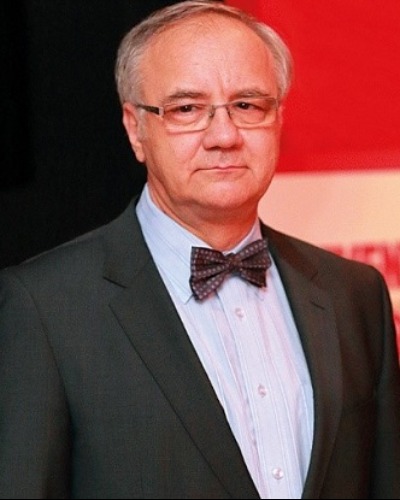
Current occupation/position: scientific researcher, first degree, qualified doctor, primary physician in medical oncology. Teaching career: affiliated with the doctoral school of UMF Carol Davila since 2014. Clinical or research experience: over 30 clinical studies, project director and collaborator in 4 national grants and one international. Original contributions: ● The first phase III study in the world comparing chemotherapy combinations: Gemzar plus carboplatin compared to cisplatin plus vinblastine. - Lung Cancer 2002 ● The first study in Romania on endobronchial brachytherapy associated with chemotherapy - Viasan Contract October 2001, ● The first treaty in Romania on good clinical practice in clinical trials in oncology with international participation. ● The first ESMO-designated Center in Romania for the integration of Medical Oncology with Palliative Care. Titles and distinctions: Scientific researcher, first degree (MECTI order no. 4506, July 22, 2010, Qualified Doctor, UMF Carol Davila, MS Order 2014, Doctor of Medical Sciences UMF Carol Davila 2002, Primary Physician in Medical Oncology, Bronchology Competence (Grant Nantes-France 1993), Palliative Care Competence. ESMO Grant for Palliative Care Switzerland 2008. Institutional and organizational skills: head of the medical oncology section at IOB 2018-2021, head of the oncology department at the C. Davila Clinical Nephrology Hospital, Coordinator of the Bucharest Institute of Oncology (IOB) as the ESMO designated Center for the integration of Medical Oncology with Palliative Care. Editor-in-chief of “Oncologist Hematologist”. Activity and affiliations within scientific organizations, national and international societies: Executive President of the National Society of Medical Oncology 2010-2018, Former Romanian Representative in the Palliative Care Group of the European Society of Medical Oncology (ESMO-Designed Centers), First national ESMO representative (1990-2005), Former national Representative in the International Society of Geriatric Oncology (2008-2018), European Commission Expert in the HORIZON 2020-2025 Oncology Program. Publications mentioned only as number: treatises, monographs, chapters in other reference publications, scientometric indices, citations; 3 chapters in international treatises, 34 chapters in books published in Romania, 2330 citations. Other relevant information: Organizer and lecturer of scientific symposia with the participation of over 60 lecturers from the EU and the USA.
© 2026 Mathews International LLC. All rights reserved.
