
Abstract:
Background: Chitosan-quercetin nanoformulation (CS-QT NPs) represents a promising nanocarrier system for targeted anticancer drug delivery. Quercetin, a naturally occurring flavonoid, exhibits potent antioxidant and anticancer properties, while chitosan offers biocompatibility and controlled release capabilities. However, the comprehensive toxicity profile of this nanoformulation remains inadequately characterized, necessitating rigorous preclinical safety evaluation before clinical translation. This study aimed to assess the acute toxicity profile of CS-QT NPs in Sprague-Dawley rats, establishing safe dosage windows for subsequent lung cancer efficacy studies.
Methodology: Acute toxicity evaluation was conducted following OECD Guideline 423. Female Sprague-Dawley rats (n=5/group) received single oral doses of CS-QT NPs at 300 mg/kg and 2000 mg/kg, with cisplatin (7 mg/kg) as a positive control and distilled water as the negative control. Over a 14-day observation period, parameters assessed included body weight changes, relative organ weights, hematological indices (RBC, Hb, HCT, WBC, platelets, differential counts), serum biochemistry (ALT, AST, creatinine, BUN, total protein, albumin), and histopathological examination of lung and liver tissues. UV-Vis spectrophotometry confirmed successful quercetin encapsulation within chitosan nanoparticles.
Results: UV-Vis spectrophotometric analysis confirmed successful quercetin encapsulation, with a characteristic quercetin peak at 370 nm (absorbance 0.85) in CS-QT NPs compared to 257 nm (absorbance 0.10) in chitosan nanoparticles. CS-QT NPs at 2000 mg/kg caused significant reductions in RBC (6.5 ± 0.67 ×10?/µL, p < 0.05), hemoglobin (12.5 ± 0.92 g/dL), and hematocrit (38.5 ± 2.84%) compared to control (7.82 ± 0.37 ×10?/µL, 15.61 ± 0.54 g/dL, 48.56 ± 2.09%). Conversely, dose-dependent increases were observed in WBC (45.2 ± 4.07 ×10?/L against control 14.3 ± 1.23 ×10?/L, p < 0.05) and platelets (785 ± 85.08 ×10?/L vs. control 575 ± 45.05 ×10?/L, p < 0.05), indicating immune system activation. Serum biochemistry revealed dose-dependent elevations in ALT (110 ± 15 IU/L vs. control 38 ± 5 IU/L) and AST (265 ± 32 IU/L against control 128 ± 15 IU/L) at 2000 mg/kg, suggesting mild hepatocellular injury. However, renal biomarkers showed minimal elevation (creatinine 0.9 ± 0.10 mg/dL vs. control 0.5 ± 0.10 mg/dL), significantly lower than cisplatin-induced nephrotoxicity (creatinine 2.50 ± 0.30 mg/dL). Histopathological examination revealed mild to moderate inflammatory changes at high doses, with no severe organ damage. Cisplatin treatment produced substantial myelosuppression (RBC 5.80 ± 0.52 ×10?/µL, p < 0.05), severe nephrotoxicity (creatinine 2.50 ± 0.30 mg/dL, BUN 65.00 ± 8.00 mg/dL), and marked weight loss (from 186.0 ± 7.55 g to 165.0 ± 9.02 g, p < 0.05).
Conclusion: CS-QT NPs demonstrated an acceptable safety profile with dose-dependent, reversible toxicity predominantly affecting the liver and lungs at high doses. The nanoformulation exhibited significantly lower nephrotoxicity compared to cisplatin, representing a substantial advantage for clinical application. The established NOAEL (No Observed Adverse Effect Level) at 300 mg/kg for liver and kidney, and at 2000 mg/kg for lungs, provides critical benchmarks for future long-term efficacy studies in lung cancer models. These findings support the continued development of CS-QT NPs as a promising, potentially safer alternative to conventional platinum-based chemotherapeutics, warranting further investigation in disease-specific efficacy models.
Keywords: Chitosan-Quercetin Nanoparticles, Acute Toxicity, Preclinical Safety, Drug Delivery, Lung Cancer, Nanomedicine
Biography:
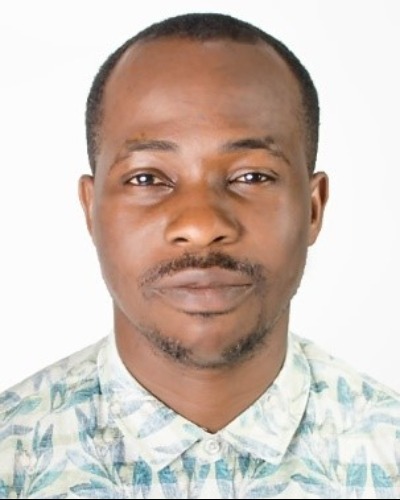
Mr. Godwin Offumobi Ogar is a PhD Candidate in Cell and Molecular Biology at the University of Lagos, Nigeria, and a Molecular Laboratory Scientist at Evercare Hospital Lekki. He holds an M.Sc. in Cell and Molecular Biology from the University of Lagos and a B.Sc. in Genetics and Biotechnology from the University of Calabar. His research interests encompass cancer biology, drug delivery, nanomedicine, and computational drug discovery. Mr. Ogar has published extensively on anticancer agents and molecular diagnostics, and serves as a graduate member of several international professional bodies including the American Association of Cancer Research (AACR) and the European Society for Molecular Oncology (ESMO). He has received advanced training in genomics and next-generation sequencing from Bio-Rad Laboratories and the World Health Organization. His current research focuses on chitosan-based drug delivery systems for targeted cancer therapy.
© 2026 Mathews International LLC. All rights reserved.
